Hakan ÖZTÜRK
ABC Agro Business Consultancy Founder
SERKONDER Board Member
A New Era in Medical Cannabis
From a Controversial Plant to a High-Tech Agricultural and Healthcare Ecosystem
Medical cannabis is no longer merely a plant, a regulatory issue, or a rapidly growing market. It is a next-generation production ecosystem in which genetics, controlled cultivation, pharmaceutical quality, traceability, and science converge within a single value chain. This is precisely where the real opportunity for Türkiye begins.
A Journey That Began Eight Years Ago
When I began R&D studies on medical cannabis in 2018, the subject was not discussed in Türkiye with the clarity it has today. The technical aspects of the sector were not sufficiently understood, the medical and recreational uses of the plant were often considered under the same heading, and developments around the world were largely being observed from a distance. Today, Türkiye is entering a new phase in which its legal framework, licensing and control mechanisms, and production infrastructure are becoming more clearly defined.
This change is important; however, establishing a regulatory framework alone does not create an industry. True success will come when we are able to transform every square meter that is granted production approval into a measurable, auditable, internationally compliant, and economically sustainable production system.
This Is About More Than Growing a Plant
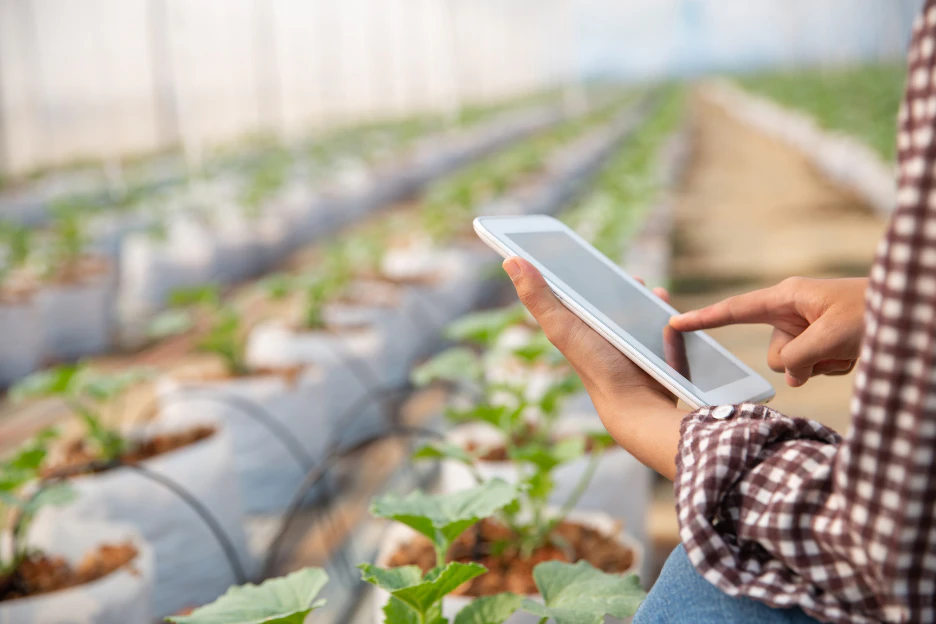
As with tomatoes, peppers, or strawberries, medical cannabis requires the basic conditions plants need: light, temperature, humidity, water, nutrients, and a healthy root zone. However, in medical production, the objective is not simply high yield. The goal is to achieve the same chemical profile, the same level of purity, and the same level of safety in every production cycle.
A small change in the light spectrum, the difference between day and night temperatures, the oxygen level in the root zone, irrigation strategy, or even a deviation of a few days in harvest timing can affect the cannabinoid and terpene profile. For this reason, a medical cannabis producer is not simply growing plants; they are producing standardization.
The product being sold in medical cannabis is not merely the flower; the real product is repeatable quality.
This perspective requires the entire process; from genetic selection and seedling production to biosafety, climate control, integrated pest management, harvesting, drying, processing, and storage, to be managed within a single quality system.
Why Controlled-Environment Agriculture Is Decisive
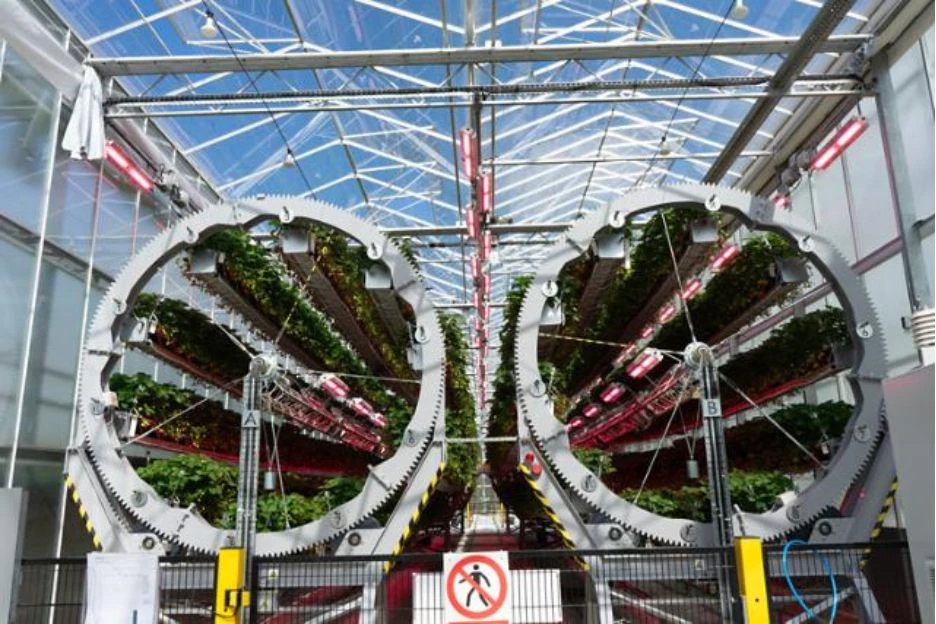
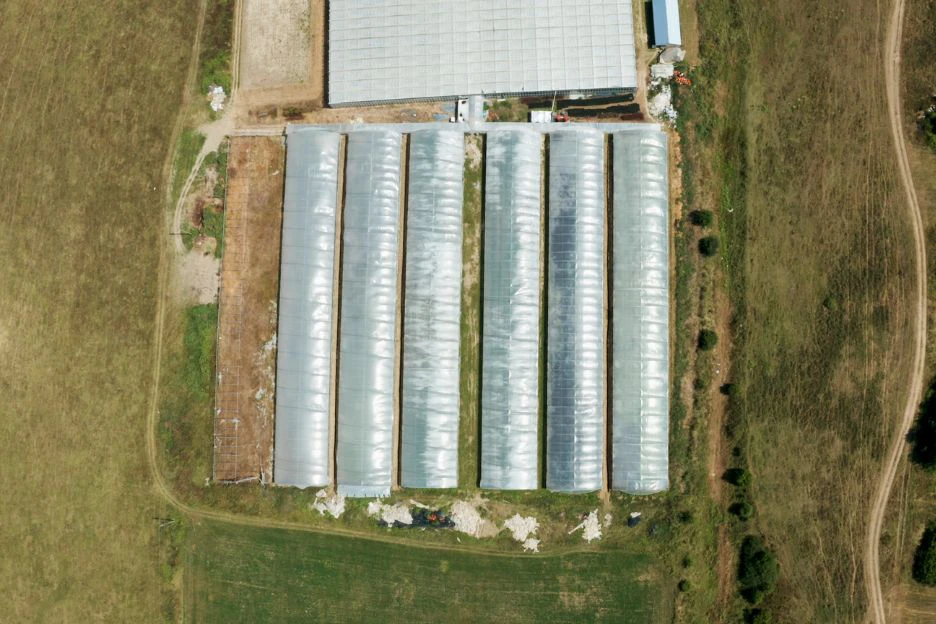
In medical cannabis production, greenhouse and indoor systems are not competitors; they are two different tools designed to serve different objectives. Advanced greenhouses can reduce energy costs by making use of sunlight, while indoor facilities offer greater control over environmental variables and can provide more consistent year-round production. The right choice should be based on the pharmaceutical standard targeted for the product, the climate, energy costs, investment scale, and the level of quality demanded by the market.
In both models, success depends on the coordinated use of the right LED spectrum and light intensity, precise temperature and humidity management, adequate air movement, a CO₂ strategy, closed-loop irrigation, water quality, hygiene protocols, data recording, and early-warning systems. Simply purchasing powerful lighting fixtures or expensive climate-control equipment is not enough to build a good facility. Systems must work together according to the plant’s physiology.
Quality, Safety, and Traceability
A raw material intended for medical use must be reliable in terms of pesticide residues, heavy metals, microbial load, and mycotoxins. This requires establishing a quality culture based on Good Agricultural and Collection Practices (GACP) at the production site and compliance with Good Manufacturing Practices (GMP) during processing and at the product stage. Quality is not a result that appears at the final laboratory analysis; it is a process designed from the very first day of production.
Every movement from seed or clone to the final product must be recorded. Access and security controls, personnel training, waste management, and standard operating procedures are indispensable components of the industry. This is also why the new regulations’ focus on quotas, permits, contract farming, enclosed and climate-controlled facilities, security, and electronic tracking is significant.
Türkiye’s Strategic Opportunity
Türkiye has a strong greenhouse production culture, experienced agricultural engineers, well-developed seedling production and biological pest-control sectors, a rapidly growing agricultural technology market, and a significant pharmaceutical industry. Its geographical position between Europe, the Middle East, Central Asia, and North Africa is another major advantage.
However, to capitalize on this opportunity, we must move away from the approach of “build the facility first and learn how to produce later.” The product target, market, quality standard, and sales channel should be defined first; only then should the genetics, facility design, technology, and cultivation protocol be selected. Otherwise, there is a risk of high investment costs, high energy consumption, and products that do not meet market requirements.
Türkiye should not settle for becoming merely a producer of raw materials. It should aim for an integrated value chain encompassing breeding and propagation material, controlled-production technologies, extraction, analysis, pharmaceutical formulation, education, certification, and consulting services.
A Natural Responsibility for Growtech
The medical cannabis industry sits at the intersection of agriculture, technology, healthcare, and regulation. For this reason, it cannot develop within a single discipline. Producers need to come together on the same platform with greenhouse and indoor system providers, LED manufacturers, climate-control companies, genetics and seedling businesses, biological pest-control organizations, laboratories, extraction technology providers, pharmaceutical companies, public authorities, and scientists.
The most important contribution of an international agricultural gathering such as Growtech will be to bring these different components together around the same table. The goal should not simply be to create a new commercial opportunity, but to contribute to the development of an ecosystem based on sound knowledge, clear legal boundaries, patient safety, and the ability to compete in global markets.
Final Word: The Future Belongs Not to Those Who Produce the Most, but to Those Who Produce the Most Reliably
In the future of medical cannabis, scale alone will not be the measure of success. The winners will be those who can reproduce the same quality in every batch, use energy and water efficiently, ensure biosafety, manage the entire process through data, and connect their products with the right markets.
Türkiye is not too late to enter this race. In fact, thanks to its strong greenhouse expertise, entrepreneurial character, and regional position, it can become an important hub with the right strategy. To achieve this, science must come before excitement, planning before investment, and the market before production. Because in medical cannabis, the real value does not come from the plant itself, but from the system of trust we build around it.
Hakan Öztürk
ABC Agro Business Consultancy Founder
SERKONDER Board Member