
Sectoral News

Greenhouse Climate Control Systems
A greenhouse is only as productive as the environment inside it. Controlled Environment Agriculture (CEA) relies on climate control technology for greenhouses to manage temperature, humidity, gas exchange, and light; conditions that, left unmanaged, swing far outside what most crops can tolerate.

Greenhouse Fertigation System Design Guide
Most growers already feed their plants through the irrigation line. Far fewer have ever sat down and designed that system properly. And that is usually where the trouble starts — blocked drippers, one row doing better than the next, or fruit quality that slips in the hottest weeks of summer.

How Global Buyers Choose Agriculture Suppliers?
The global agriculture industry is evolving rapidly. Climate uncertainty, rising production costs, digital transformation, and changing supply chain structures are forcing buyers to become more selective than ever before. Whether they are sourcing greenhouse technologies, irrigation systems, seeds, fertilizers, agricultural machinery, or agritech solutions, professional buyers now follow a far more strategic procurement process than they did a decade ago.

Why Is Global Expansion a Challenge for Agribusiness Companies?
In today’s rapidly evolving agricultural landscape, scaling beyond domestic markets is no longer optional—it’s essential. Yet, for many agribusinesses, the path to international success is filled with complexity. From navigating regulations to understanding buyer expectations, the question of how to sell agricultural products internationally remains a critical challenge.

The Future of Food Supply in the Middle East: Resilience, Transformation, and Preparing for a New Era
Explore the evolving food supply landscape in the Middle East, where resilience, transformation, and innovative agrifood systems are shaping a new era. Learn about the region's challenges, including water scarcity, import dependency, and climate pressures, and discover how controlled agriculture, irrigation efficiency, and strategic policies are driving sustainable solutions.

Fertilizer Technology Innovations and Crop Yield Growth
Discover fertilizer technology innovations, crop yield strategies, and commercial fertilization trends shaping global agriculture.

Scaling Sustainable Growth for Greenhouse Irrigation Manufacturers Worldwide
Explore how greenhouse irrigation system manufacturers can drive sustainability, secure global sourcing partnerships, and expand into new markets with turnkey, export-ready solutions.

Greenhouse Irrigation Systems: Drip vs Micro Sprinkler Technology Guide
Compare drip irrigation and micro sprinkler systems for greenhouse operations. Expert analysis of efficiency, costs, and ROI for modern agriculture.

Why Global Buyers Are Turning to Commercial Farming And How Growtech Antalya Exhibitors Can Lead
Explore key types and trends in commercial agriculture and why exhibiting at Growtech Antalya is a strategic move for global growth.

What Makes Greenhouse Farming a Future-Proof Investment?
Greenhouse agriculture is booming worldwide due to rising food demands, changing climate patterns, and the need for sustainable solutions. According to Statista, the global greenhouse market is projected to grow at a CAGR of 8% by 2029. With controlled environments, growers can optimize yields and reduce resource waste.

Middle East Agribusiness: A Market in Transformation
The Middle East agribusiness industry is undergoing rapid modernization, driven by technological adoption, food security priorities, and sustainable farming initiatives. The market is valued at over USD 55 billion in 2024, with a projected CAGR of 6.5% through 2030
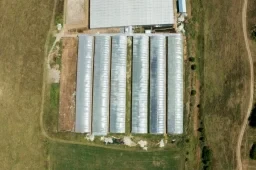
Can Greenhouses Be Heated Naturally?
Farmers and producers are constantly looking for ways to reduce energy costs and grow crops more efficiently. One innovative method that's gaining attention is geothermal greenhouse heating. By using the natural warmth of the earth, greenhouses can stay warm in winter and cool in summer—without relying heavily on electricity or gas.

Which Crops Thrive in Dry Climates?
In arid regions, selecting drought-tolerant crops is crucial. Vegetables like zucchini, hot peppers, pole beans, kale, Swiss chard, Roma tomatoes, eggplant, and okra have demonstrated resilience in dry conditions. These crops require minimal irrigation and can withstand high temperatures, making them ideal for water-scarce areas.

Why Ploughing Still Matters in Modern Farming
Despite the surge in no-till farming and precision ag, ploughing remains a vital soil preparation practice for many types of crops. Whether done by hand or with tractors, ploughing breaks up compacted soil, improves aeration, and sets the foundation for a successful growing season. For smallholders and large-scale growers alike, understanding how and when to plough can make or break your yield.

What Is Vertical Farming and Why Does It Matter?
As cities swell and arable land shrinks, agriculture is moving upward—literally. Vertical farming is an innovative method of growing crops in stacked layers, often indoors, using controlled environments and advanced technologies. It is redefining urban agriculture by producing fresh food closer to where it's consumed, using less water, space, and chemicals.

Why Is Regenerative Farming Gaining Ground Globally?
Modern agriculture has long focused on yield, often at the expense of soil health, water conservation, and biodiversity. In response, a powerful movement is emerging—regenerative farming—a system of practices that rebuilds soil organic matter, restores ecosystems, and sequesters carbon.
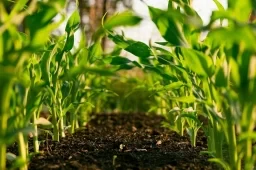
How to Start a Farm: A Practical Guide for First-Time Growers
The idea of becoming a farmer has taken on new meaning in the 21st century. Driven by the need for sustainable food systems, climate resilience, and local production, more individuals are exploring how to start a farm—not just as a lifestyle, but as a serious business opportunity.

The Pollination Crisis: A Growing Concern
Pollinators, especially bees, play a crucial role in global agriculture, contributing to the reproduction of over 75% of crop species. However, factors like habitat loss, pesticide use, and climate change have led to a significant decline in bee populations, posing a threat to food security. This crisis has spurred interest in alternative pollination methods, including robotic pollinators.

Why Avocado Farming Is on the Rise
Avocados are no longer just trendy superfoods—they’re big business. With rising global demand, farmers are asking: "What is the best environment for an avocado tree?", "How to increase avocado production?", and most importantly, how to do it sustainably.
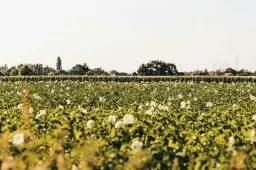
Achieving Healthy Cotton Yields on Challenging Soil
Cotton thrives across seasonally dry regions, but planting on poor soil makes success challenging. Modern farmers focus on soil health—organic amendments, cover cropping, crop rotation, no-till practices—to maintain sustainable yields and profitability.

What Is an Irrigation System and Why Does It Matter?
Water is life in agriculture—but managing it efficiently is one of the industry’s greatest challenges. So, what is an irrigation system? It’s a method of delivering water to crops in controlled ways, improving yield and reducing waste.

Why Profitability Matters More Than Ever in Modern Farming
As agricultural costs rise and arable land becomes more limited, farmers are seeking smarter strategies to increase revenue. The focus has shifted from quantity to value, and identifying high-yield, high-demand crops is essential for sustainable success. Global economic shifts and climate unpredictability further amplify the need for crops that provide maximum return per acre.

Why Is Agriculture Going Digital?
The agricultural sector stands on the edge of a revolutionary transformation. As global food demand is projected to increase by 70% by 2050 (Source: FAO), the need for efficiency, precision, and sustainability has never been more urgent. Traditional methods can no longer keep pace with climate challenges, soil degradation, and resource scarcity. This is where digital agriculture steps in—merging smart technologies with age-old practices to future-proof farming.

The Agricultural Shift: Embracing Smart Farming
Agriculture is undergoing a significant transformation, driven by the integration of Internet of Things (IoT) technologies. These advancements are enabling farmers to make data-driven decisions, optimize resource use, and increase crop yields. From soil sensors to automated irrigation systems, smart farming is redefining traditional agricultural practices.

Embracing the future: precision agriculture's role in modern farming
In the ever-evolving landscape of agriculture, precision farming has emerged as a game-changer. By leveraging technologies such as drones, IoT sensors, and AI-driven machinery, farmers can optimize resource use, enhance crop yields, and promote sustainable practices.

How is AI Used in Agriculture?
Artificial Intelligence (AI) is reshaping agriculture by introducing smart solutions that enhance productivity and sustainability. From predictive analytics to automated machinery, AI applications are vast and impactful. For instance, AI algorithms analyse soil health, weather patterns, and crop conditions to optimize planting schedules and irrigation needs. This data-driven approach leads to better resource management and higher yields.